Why Is My Grass Turning Brown Even With Regular Watering in Tonganoxie, KS?
When a lawn fades to straw color even with steady watering, it is a sign something deeper is stressing the turf. In and around Tonganoxie, KS, summer heat, clay-heavy soils, and wind can expose weak spots fast. This guide explains what brown grass really means and how a professional lawn care service tracks down the root cause. If you want a thorough diagnosis and a plan to bring back thick, green turf, our lawn repair service is purpose-built for local yards.
Brown areas can look the same from the porch, but the reasons vary. Some are seasonal and normal. Others point to soil, irrigation, pest, or disease issues that continue until corrected. At Linwood Landscape & Turf, LLC, we focus on turf health solutions that match Kansas weather patterns and neighborhood conditions along the US-24/40 corridor and greater Leavenworth County.
What Brown Grass Means In Tonganoxie, KS
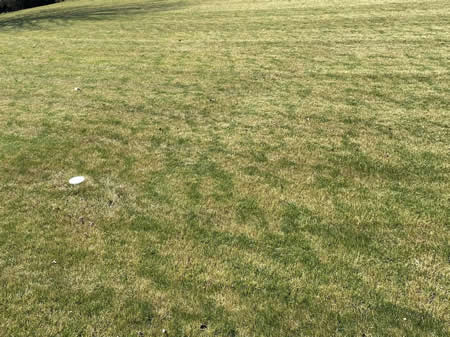
Not all brown is bad. Cool-season grasses common in northeast Kansas often enter summer dormancy when highs sit in the 90s and nights stay warm. Dormant grass feels dry but crowns remain alive. True damage looks and behaves differently and usually spreads or thins the lawn over time.
- heat dormancy: turf turns tan in wide areas during hot, dry stretches, then rebounds with cooler weather
- underwatering or poor coverage: irregular, wedge-shaped brown spots that match a sprinkler’s miss zones
- overwatering or slow drainage: mushy or algae-prone areas that thin and invite fungus
- pests or disease: patterned patches, rings, or edges that advance despite regular irrigation
You should also consider soil type. Many Tonganoxie yards sit on compacted clay that resists infiltration. Water may run off, leaving roots thirsty even though the surface looks wet. Overwatering can mimic drought stress because shallow roots never dig down where moisture lasts. For a deeper look at lawn health basics, browse our local insights on lawn care tips. To see how our team approaches recovery step by step, learn more about our lawn repair service in Tonganoxie, KS.
Irrigation Issues That Keep Lawns Brown
Watering alone does not guarantee green grass. Coverage, timing, and volume all matter. In our area, prevailing south winds and afternoon sun can rob sprinklers of uniform coverage. Brown wedges often trace back to clogged nozzles, tilted heads, low pressure, or mixed head types watering at different rates. Shady zones can stay wet too long while curbside strips dry out first.
Pros look for patterns. Even crescents usually mean a coverage gap. Streaks following a slope point to runoff and poor infiltration. Pools near patios suggest trapped water and weak roots. We also note the schedule. Short, frequent watering can leave the top inch damp while deeper soil stays dry. That sets up heat stress when temperatures jump.
If you want a professional to evaluate irrigation as part of a complete turf assessment, Linwood Landscape & Turf, LLC can help. Our team looks at head spacing, head type, and obstacles like sidewalks and driveways that reflect heat back into grass. When irrigation drives the problem, we build a correction plan within a broader turf recovery strategy rather than guesswork.
Soil And Thatch Problems Affecting Turf Health
Soil is the foundation. In parts of Leavenworth County, heavy clay compacts easily under foot traffic, pets, and mowers. Compaction squeezes out air and water, so roots stall near the surface. Thatch is another barrier. A thick, spongy thatch layer sheds water and harbors disease, turning patches brown after rain or irrigation. High-sod new builds around the region may also sit on thin topsoil over fill, which dries fast and heats up.
- spongy feel underfoot, but soil beneath stays hard and dry
- water beads or runs off instead of soaking in within a few minutes
- long-standing “hot spots” along sidewalks, driveways, and sun-baked slopes
Compaction is common in high-traffic yards and can make brown patches return every summer. Balanced turf programs target soil structure first, so roots can use the water you already apply.
Pests And Lawn Disease Homeowners See Most
When watering is steady and soil seems fine, insects or fungus may be at work. White grubs feed on roots and cause turf to lift like a loose rug. Chinch bugs suck sap and create dry-looking patches that spread in sunny areas. On the disease side, brown patch and dollar spot are frequent in humid, warm weather, especially where nitrogen or thatch is out of balance.
Disease often shows as smoky edges, halos, or small bleached spots that blend into larger areas. Some fungi thrive after evening irrigation, then explode when nights stay warm. Fungus spreads fast in warm, humid nights, so waiting weeks can multiply the damage. Insect injury follows a different pattern and can invite weeds once turf thins out.
Accurate ID matters. Treating grubs when disease is the culprit wastes time and keeps the lawn in decline. A trained eye looks at blade lesions, patch shapes, and root strength before mapping a recovery plan that matches the exact cause.
Seasonal Patterns: When Brown Spots Show Up
Timing tells a story. In northeast Kansas, cool-season grass stress usually peaks from late June through August. Early summer brown circles after heavy rain point toward disease. Rapid browning during a hot, windy week suggests heat and coverage gaps. Late summer turf that peels back often indicates grub feeding. In early fall, thin areas that never bounced back from summer heat may need targeted renovation so they do not repeat next year.
Winter can also set the stage. Snow mold in shaded corners, salt overspray near roads, and crown hydration injury on south-facing slopes can all weaken turf before summer arrives. A full-season plan looks at what happened last year, not just what the lawn looks like today.
How A Professional Lawn Care Service Diagnoses Brown Turf
Effective lawn recovery starts with a structured evaluation. A local pro will note sun and shade, slope, soil feel, irrigation spacing, and mowing patterns. Then they will inspect roots, crowns, and stolons to see if the issue is surface-level or systemic. The findings shape a targeted program rather than a one-size-fits-all treatment.
At Linwood Landscape & Turf, LLC, our specialists build a turf health file for each property in and around Tonganoxie. We record stress-prone zones by landmarks like driveways, fences, and south-facing walls so we can track progress over the season. If the situation calls for changes, we coordinate them within a safe, professional plan and keep you updated by phone at 913-723-1881.
When you want a team that understands Kansas weather and local soil profiles, rely on a partner who focuses on results, not guesswork. Grub damage peaks in late summer while fungus prefers humid stretches, so the right timing and diagnosis make the difference between quick recovery and repeat problems.
Local note: Afternoon watering during a 95-degree day near Tonganoxie often evaporates before it reaches roots. Early morning schedules help water reach the soil and reduce leaf wetness overnight, which lowers disease pressure.
When To Call For Help In Tonganoxie, KS
Call a pro when brown areas spread week to week, footprints linger in the lawn, or irrigation seems fine but color still fades. Also reach out if you see birds pecking in clusters, skunks digging, or patches that lift up easily, which can point to root loss. If the lawn stayed tan long after cooler weather returned, deeper soil or pest issues may be blocking recovery.
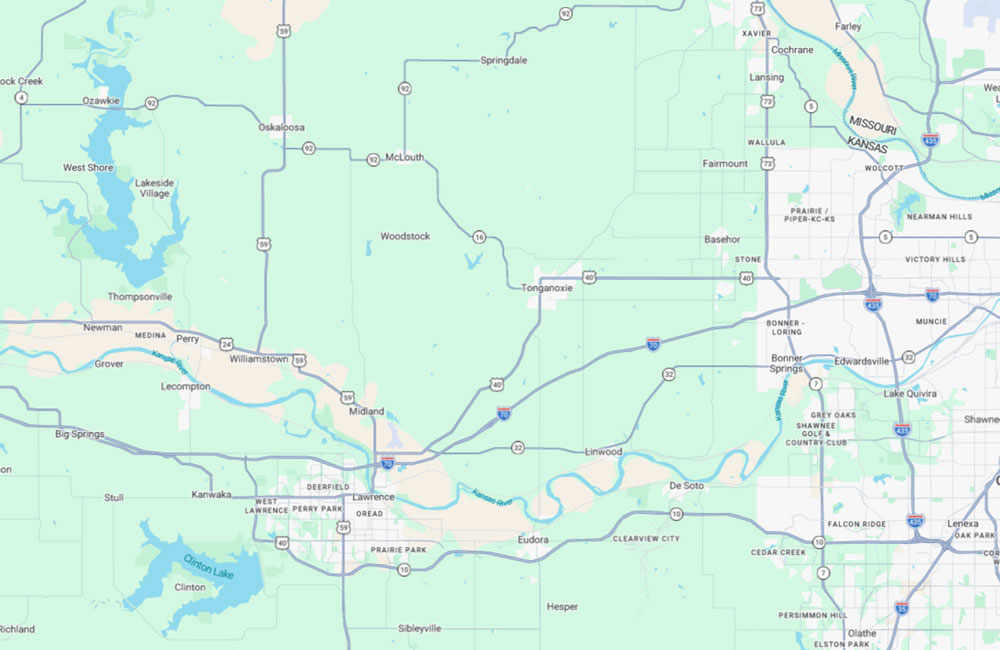
Homeowners in Tonganoxie, Basehor, Bonner Springs, De Soto, and nearby communities face similar summer patterns. Still, each yard behaves differently based on wind exposure, soil layering from past projects, and shade. A focused evaluation will show why your grass browned in the first place and map the fastest route back to green.
The Best Next Step For Healthy, Green Turf
If your lawn is browning even with regular watering, you do not have to guess. A precise diagnosis saves time and protects your landscape. Start with a local evaluation from Linwood Landscape & Turf, LLC and let our team build a turf health plan for your property. You can learn more about what we do on our lawn repair service page, or call us at 913-723-1881 to schedule a visit.
When you want a yard that looks great from spring to fall, choose a partner who understands the region, the soils, and the weather. We are ready to help your lawn return to thick, lasting color across Tonganoxie and surrounding communities.
Get A Free Quote
Our Services

Our Service Areas
At Linwood Landscape & Turf, LLC, we are proud to provide dependable lawn care solutions to homeowners throughout Basehor and the surrounding communities. As a locally owned and operated company founded in 2023, we have roots firmly planted in the area we serve. We understand the soil composition, climate, and seasonal challenges that affect lawns here, allowing us to deliver targeted treatments that produce consistent, long-term results. Our commitment to great local service means we show up on time, communicate clearly, and treat every property with the same care and respect we would give our own.
While Basehor remains at the heart of our service area, we also work with homeowners in nearby neighborhoods seeking a trusted, family-owned team to care for their lawns. Whether you need routine lawn fertilization, weed control, aeration, overseeding, or full lawn renovation services, Linwood Landscape & Turf, LLC is ready to help. Our goal is to make professional lawn care convenient and accessible for families throughout the region. If you are unsure whether we service your area, simply reach out to our team, and we will be happy to assist you.