What Are the Most Common Lawn Problems Homeowners Face in Basehor, KS?
If you are dealing with lawn problems in Basehor, KS, you are not alone. Our area’s clay-heavy soils, spring storms, and hot, humid summers create a tough environment for cool-season turf like tall fescue and bluegrass. The good news is that persistent issues can be solved with the right plan. To see what a tailored approach looks like, start by reviewing our lawn care services and how they fit local conditions.
Why Basehor Lawns Struggle: Soil, Weather, and Traffic
Basehor sits in a transition zone for turf. Cool-season grasses love our spring and fall, then struggle when nights stay warm and humidity builds. Many yards were established on compacted subsoil after construction, so water hangs near the surface in spring and bakes off in July. Add foot traffic from pets and play, and thin spots begin to show.
The Biggest Lawn Problems We See In Basehor
1) Brown Patch and Other Lawn Diseases
When night temperatures rise and humidity lingers, foliar diseases like brown patch show up as tan or straw-colored circles that expand outward. You might notice a faint “smoke ring” at the edge during active periods. Shade, excess moisture on leaves, and matted clippings make it worse. A professional will time treatments around weather windows, adjust mowing height, and balance nutrition so grass can recover and thicken again.
2) Grubs and Insect Damage
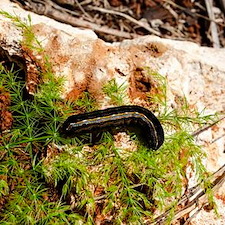
White grubs feed on roots, which weakens turf from below. Patches turn brown, then lift up easily because roots are gone. Skunks or birds may dig for a midnight snack and leave scattered clumps behind. If damaged turf peels back like a loose carpet, call a pro right away so the area can be stabilized and overseeded at the correct time of year.
3) Crabgrass, Nutsedge, and Other Weeds
Crabgrass germinates as soil warms in spring, especially along sidewalks and driveways where heat reflects. Nutsedge loves wet, compacted corners after heavy rain. Once these invaders get established, thin lawns struggle to compete. A local program focuses on timing, spot control, and thicker turf so weeds have fewer places to land. You can explore how we handle this as part of our full lawn care services.
4) Compaction and Patchy, Tired Grass
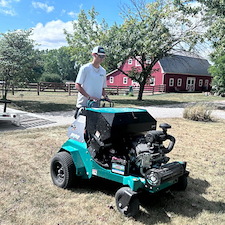
Compaction starves roots of air. The lawn looks dull even with watering, and high-traffic routes stay thin. Core aeration opens channels so air, water, and nutrients can move again. In our clay-heavy soils, a season-smart plan often pairs aeration with overseeding so new grass fills voids and improves density over time.
5) Heat and Drought Stress
During long hot spells, cool-season turf protects itself by slowing growth and losing color. South-facing slopes and areas near reflective surfaces fade first. Pushing heavy growth in peak heat will backfire because it increases stress and disease risk. The goal is steady, root-first health so color returns quickly when weather breaks.
How To Read the Signals Your Lawn Is Sending
- Tan circles that slowly widen, sometimes with a smoky edge, often point to disease activity.
- Soft or spongy turf that lifts with little effort suggests grub feeding below the surface.
- Sparse grass and shiny, light-green blades near hard edges signal crabgrass pressure.
- Puddles after storms and hard-baked soil in July indicate compaction and poor infiltration.
When in doubt, a professional turf inspection beats guessing. A quick visit confirms the cause so the fix targets the real problem, not just the symptom.
Neighborhood Examples That Shape Lawn Health
Yards near open fields often get more wind and faster drying after storms, which changes how disease and weeds behave. Cul-de-sac lawns collect heat and can stress faster on sunny days. Newer developments with recent grading tend to have variable topsoil depth. These small differences matter because they affect timing, product selection, and where overseeding will make the biggest impact.
Common Mistakes That Make Problems Worse
- Watering late in the evening so leaves stay wet overnight, which encourages fungus.
- Scalping the lawn during heat, which removes shade from the root zone and invites weeds.
- Applying the wrong products at the wrong time, which can burn turf or miss the target pest cycle.
Instead of more products or more frequency, the fix in Basehor is usually better timing and a balanced plan that fits your lawn’s exact conditions.
How a Local Plan Solves Each Issue
Balanced Nutrition for Lasting Color
On our cool-season grasses, quick bursts of nitrogen in midsummer can fuel disease. A local plan spaces applications and leans on slow-release nutrition so color is steady, not surging. This helps fescue and bluegrass ride out hot stretches with less stress.
Targeted Weed Control That Protects Young Grass
Pre-emergent timing matters in spring, and spot control matters later. Thickening the lawn is just as important as treating invaders. In compacted corners, a pro may adjust the approach so new seed can establish while weeds stay in check.
Core Aeration and Overseeding Where It Counts
Compaction is not uniform across a yard. Driveway turnarounds, play areas, and pet paths compact faster. Focused aeration opens those zones first so overseeding takes hold and density improves where you notice thin spots most.
Monitoring for Grubs and Surface Pests
A professional looks for early feeding signs, confirms what is present, and times control before damage spreads. Stabilizing the area, then thickening it with the right seed blend, helps prevent a repeat the next season.
Is It Disease, Drought, or Something Else?
Several issues can look alike at first glance. Here is a simple way to think about it:
If the patch is circular, grows slowly in diameter, and leaves show lesions, disease is likely. If the area lifts easily or wildlife is digging, grubs are a strong suspect. If brown areas match sunny slopes or reflective spots and green returns after cooler weather, heat stress is at play. The right diagnosis saves you time and helps each treatment work harder.
What Makes a Local Program Different
Generic advice does not account for Basehor’s clay soils, rapid spring warmups, and summer humidity. A local program reads the weather, balances the calendar, and makes small adjustments all season. That is how you prevent problems instead of chasing them. To see how Linwood Landscape & Turf, LLC builds a plan for your property, review our approach to lawn care services across the year.
When To Bring In a Professional
Call a pro when you notice fast-spreading circles, sod that lifts, or repeated weed breakouts along hard edges. Quick action limits damage and speeds recovery during the next best seeding window. If your lawn has been thin for years, a full-season plan can rebuild structure below the surface so color lasts longer between rains.
Local Expectations: What “Better” Looks Like Here
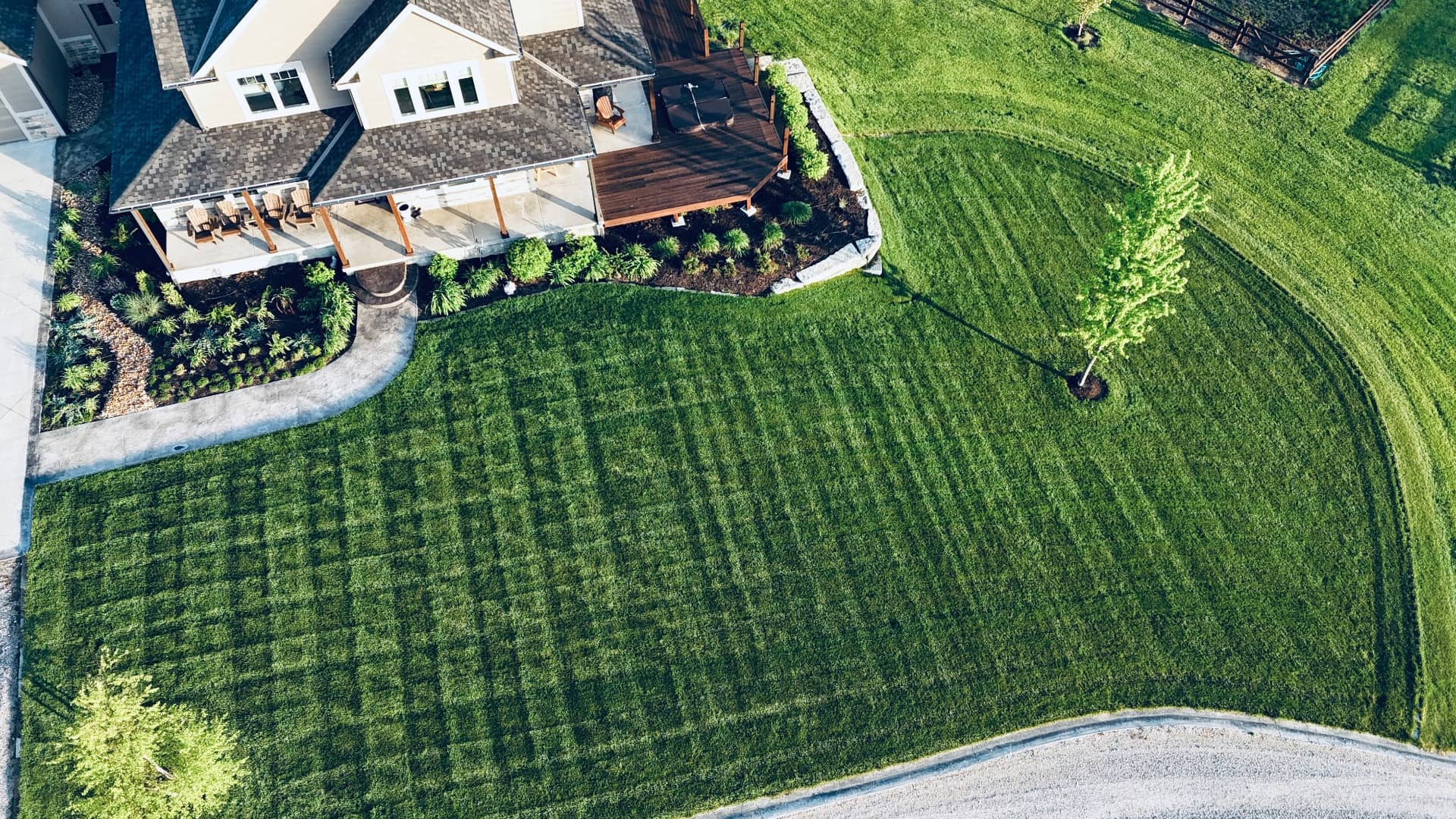
In Basehor, a healthy cool-season lawn holds color into early summer, weathers hot spells without collapsing, and rebounds fast with the first hint of fall. It feels firm underfoot but not hard, resists common weeds, and needs fewer emergency fixes. That is the payoff of a root-first program tailored to our climate and soils.
Ready To Solve Your Lawn Problems in Basehor, KS?
If you want a lawn that stays green longer and stands up to kids, pets, and Kansas weather, let Linwood Landscape & Turf, LLC help. Learn how we address disease, weeds, compaction, and insects with a season-smart plan, then choose a schedule that fits your yard and routine. Start by exploring lawn problems in Basehor, KS and how the right local care makes a difference.
Have questions or want a professional assessment? Call us at 913-723-1881 and we will walk your property, explain what we see, and outline clear next steps. When you are ready, compare options on our lawn care services page and pick the plan that meets your goals.
Get A Free Quote
Our Services

Our Service Areas
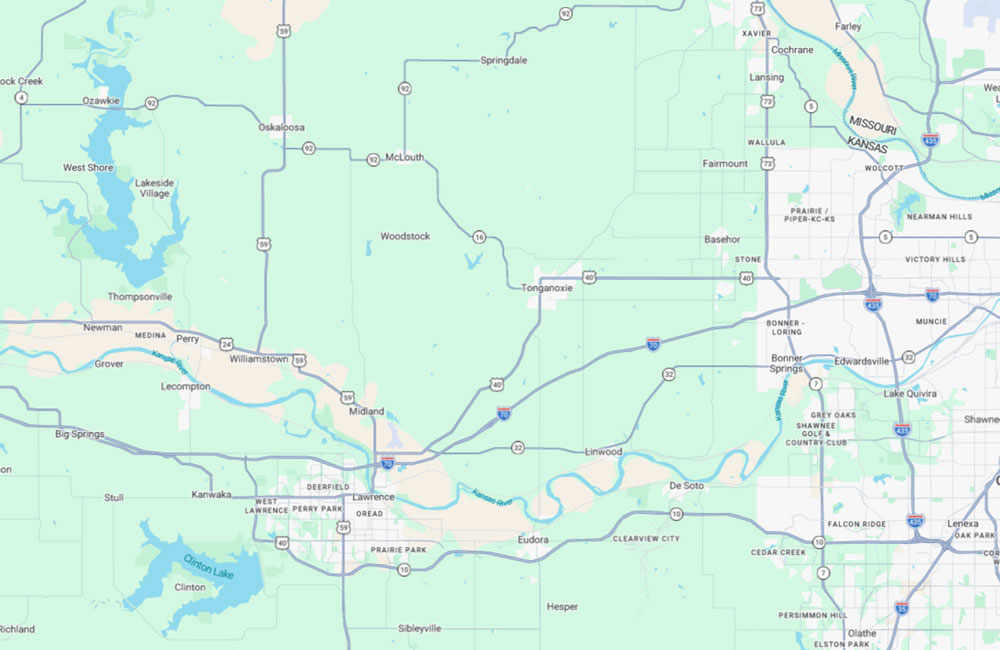
At Linwood Landscape & Turf, LLC, we are proud to provide dependable lawn care solutions to homeowners throughout Basehor and the surrounding communities. As a locally owned and operated company founded in 2023, we have roots firmly planted in the area we serve. We understand the soil composition, climate, and seasonal challenges that affect lawns here, allowing us to deliver targeted treatments that produce consistent, long-term results. Our commitment to great local service means we show up on time, communicate clearly, and treat every property with the same care and respect we would give our own.
While Basehor remains at the heart of our service area, we also work with homeowners in nearby neighborhoods seeking a trusted, family-owned team to care for their lawns. Whether you need routine lawn fertilization, weed control, aeration, overseeding, or full lawn renovation services, Linwood Landscape & Turf, LLC is ready to help. Our goal is to make professional lawn care convenient and accessible for families throughout the region. If you are unsure whether we service your area, simply reach out to our team, and we will be happy to assist you.