How Often Should You Schedule Professional Lawn Care Services in De Soto, KS?
If you live in De Soto, KS, your lawn grows on a Midwest rhythm. To keep it thick, even, and worry free, most homeowners do best with a planned calendar of professional visits rather than a “wait until there is a problem” approach. Use this guide to set a smart lawn care schedule, then fine-tune it with a pro from lawn care services you can trust.
What Drives Your Lawn Care Schedule In De Soto, KS
Growth here follows our spring rains, warm summers, and cool falls. Many home lawns feature tall fescue or Kentucky bluegrass, which surge in spring and fall and slow down in midsummer heat.
Your ideal visit frequency depends on three things: how fast the turf is growing, how much foot traffic it sees, and the results you want to maintain week to week. Families close to the K-10 corridor or near the Kansas River often see quick spring flushes, while shaded streets on the west side may stretch intervals a bit during summer.
Season-By-Season Service Frequency
Below is a straightforward planning baseline for residential properties in and around De Soto. Your technician will adjust for shade, irrigation habits, and recent weather.
- Spring (March–May): Regular lawn care visits are common by April. Pair that pace with routine weed control and early nutrition applied by your service team.
- Early Summer (June): Weekly or every 7–10 days, depending on rainfall. Pros monitor for grubs and adjust timing around storms.
- High Summer (July–mid-August): Often every 10–14 days as cool-season grasses slow. Visits focus on protecting stressed turf and keeping the lawn on track.
- Fall (late August–October): Back to weekly or 7–10 days as growth rebounds. This is the prime window for core aeration and overseeding by your provider.
- Late Fall (November): Service winds down as growth stops. Final cleanups and a last health-focused feeding help ensure a smooth spring start.
Local insight: Clay-heavy pockets around De Soto hold water after big spring storms. Ask your crew to delay service on soaked turf to prevent ruts and compaction that linger all summer.
This small timing shift protects roots and keeps your schedule efficient.
Weekly Vs. Biweekly Visits: When Each Makes Sense
When in doubt, weekly visits win during the fast-growth windows of April–May and September. Weekly service keeps the lawn monitored, helps prevent small problems from spreading, and maintains consistent curb appeal.
Biweekly service can work in July or early August if heat slows growth and you want to hold steady between deeper program steps. Your technician will watch for stress, weeds creeping in at edges, or footprints that linger, then recommend moving back to weekly as soon as growth returns.
How Often Should You Schedule Aeration And Overseeding?
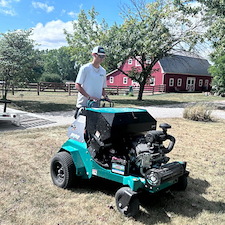
Most De Soto lawns benefit from core aeration once a year, especially where clay soil, foot traffic, pets, or summer stress create compaction. Fall is usually the best window because cool-season grasses recover well as temperatures ease and moisture becomes more consistent.
Overseeding pairs well with aeration because seed-to-soil contact improves when the lawn has fresh openings for air, water, and nutrients. If your lawn looks thin, patchy, or tired after summer, fall aeration and overseeding can help restore density and improve color for the next growing season.
Program Building Blocks That Keep The Schedule On Track
Your service rhythm works best when it is supported by a full professional program. Consider how these services stabilize growth and reduce surprises:
- Targeted weed control to prevent fast, patchy spikes that throw off your calendar. Learn how the right timing protects turf while keeping visits predictable with a look at weed control.
- Season-smart fertilization so color stays steady without forcing growth bursts that require extra service adjustments.
- Core aeration in early fall to relieve compaction and help roots run deeper, which smooths service intervals the next season. Explore why this matters with aeration.
- Overseeding after aeration to improve turf density, fill thin areas, and support a thicker lawn heading into spring.
Tall Fescue Vs. Kentucky Bluegrass: Visit Cadence In Johnson County
Both grasses do well in our area, yet they behave a bit differently. Tall fescue tends to grow steadily with fewer disease swings, so weekly spring visits and 10–14 day summer spacing often hold shape.
Kentucky bluegrass can rebound fast after rain and cooler snaps, which may push you back to weekly more quickly in fall. Your lawn may also be a blend. A seasoned technician will watch for subtle shifts and recommend changes before you see uneven color or height lines.
How Weather Patterns Shift Your Plan
April and May rains bring quick vertical growth. Booking a weekly slot now prevents emergency squeezes in the schedule when every neighbor’s yard pops at once.
By late July, heat usually slows cool-season lawns around De Soto. That is when your service might stretch to every other week, then return to weekly as September evenings cool. This article on soil compaction signals explains why late-summer fatigue sets in and how fall aeration resets performance.
Neighborhood And Property Factors To Consider
Homes near open ground or along breezier streets can dry out faster in midsummer, making biweekly service workable for a stretch. Dense, tree-lined blocks and irrigated corners may hold weekly visits even in July.
Larger frontage, corner lots with long sidewalks, and backyards with play areas usually benefit from consistent lawn care check-ins to keep the property looking cared for and the turf program on track.
How A Professional Calendar Saves You Time
A consistent schedule lets your crew steer around rain, heat waves, and weekend events. You get predictable curb appeal without scrambling for last-minute visits when grass takes off.
It also helps synchronize the rest of your turf program. Weed control, nutrition, aeration, overseeding, and fall renovation steps land at the right times so you avoid setbacks that would create bigger issues later. For a simple, season-smart plan, explore our full list of lawn care services and choose what fits your goals.
Signs You Should Adjust Your Frequency
Keep an eye out for these signals between visits. Share what you notice with your technician so they can tighten or loosen the schedule.
- Uneven color bands or visible “steps” in turf health from one service to the next
- Thin or patchy areas that do not rebound after rain or seasonal treatments
- Persistent weed pressure at the curb strip or sunny corners
- High traffic from pets or kids flattening certain routes for more than a day
Why Timing Matters On De Soto’s Clay-Heavy Soils
Clay holds water after big rains and firms up fast in heat. That swing can stress roots and make the lawn look perfect one week and tired the next.
Professionals plan visits around those swings and build structure in fall so next year’s schedule runs smoother. For a deeper dive into how local soil behaves, read our quick guide to clay-heavy soil and lawn health.
Your Path To A Predictable, Beautiful Lawn
Here is a simple model many De Soto homeowners follow with great results:
Spring: lock in regular visits; allow extra time for weed control and nutrition during peak weeks. Summer: shift to every 10–14 days if growth slows and your technician agrees. Fall: return to weekly as temps cool; pair with aeration and overseeding when recommended for density and color.
If you prefer a single point of contact and clear communication, Linwood Landscape & Turf, LLC builds schedules that match your family calendar and neighborhood needs. You can even connect your plan back to professional lawn care services in De Soto, KS to see how each piece supports the service rhythm you like.
Ready To Put Your Lawn On A Smart Schedule?
Weekly or biweekly, spring through fall, your lawn will look its best when a consistent plan is in place and a pro is watching the weather for you. To get started, call 913-723-1881 and our team will build the right visit cadence for your property.
Want everything handled by one trusted partner? Linwood Landscape & Turf, LLC can design a season-smart program with aeration, overseeding, nutrition, weed control, and fall renovation that fits your yard and routine. Let’s put a dependable plan on the calendar today at our main page for lawn care services.
Get A Free Quote
Our Services





Our Service Areas
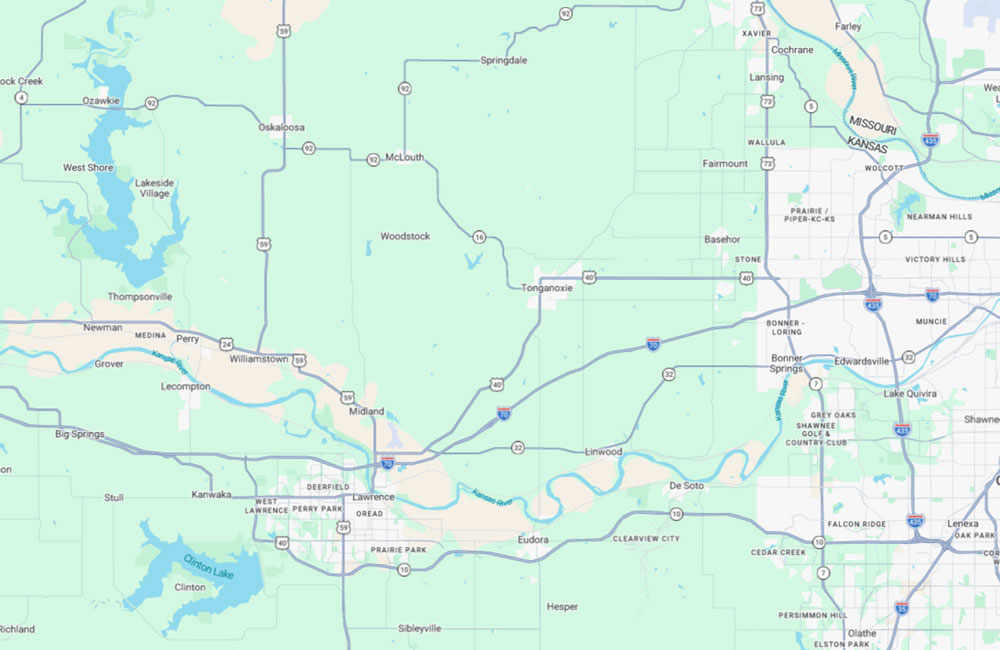
At Linwood Landscape & Turf, LLC, we are proud to provide dependable lawn care solutions to homeowners throughout Basehor and the surrounding communities. As a locally owned and operated company founded in 2023, we have roots firmly planted in the area we serve. We understand the soil composition, climate, and seasonal challenges that affect lawns here, allowing us to deliver targeted treatments that produce consistent, long-term results. Our commitment to great local service means we show up on time, communicate clearly, and treat every property with the same care and respect we would give our own.
While Basehor remains at the heart of our service area, we also work with homeowners in nearby neighborhoods seeking a trusted, family-owned team to care for their lawns. Whether you need routine lawn fertilization, weed control, aeration, overseeding, or full lawn renovation services, Linwood Landscape & Turf, LLC is ready to help. Our goal is to make professional lawn care convenient and accessible for families throughout the region. If you are unsure whether we service your area, simply reach out to our team, and we will be happy to assist you.